Don’t Be A Turkey: Empower With Advanced Disease Education!
Kenyon HomeCare Consulting • March 15, 2021
Thanksgiving is upon us, and with it comes a chance to remember all this year’s blessings and the significance of this holiday. More specifically, turkeys and Pilgrims.
What do these two things – or Thanksgiving in general – have to do with homecare? When you are in the thick of running your agency, it’s easy to ignore certain areas crucial to your success, such as advanced disease education.
But doing so is a mistake. One might even say this mistake makes you “akin” to a turkey. Embracing advanced disease education, on the other hand, reveals in you all the strong qualities for which we admire the Pilgrims.
Turkeys Don’t Participate in Advanced Disease Education
Turkeys are pretty impressive animals. They can move their necks enough to achieve a 360-degree field of vision, their sense of hearing is significantly sharp, and the wild ones can fly.
But, there are a few distinct disadvantages to being a turkey, which can be compared to a home care organization that avoids advanced disease education.
Lack of Depth – Despite their wide sight range, turkeys can’t accurately judge depth due to the location of their eyes. As a homecare leader, it’s not enough to see the objects around you. You must also be able to acknowledge the depth of your actions and decisions. Choosing to invest in chronic disease education, has lasting positive effects for your organization, clients and staff.
Inability to Soar – Sadly, as turkeys have been domesticated over time, they have lost their ability to fly. This is due to the fact that they’re bred to have larger breast muscles, which make them better for human consumption. Like the turkey that desires to fly, but has been “tamed,” a homecare agency without advanced education for aides is held back from reaching its full potential.
Short-Lived Destiny – Turkeys serve one main purpose today: to be eaten by well-meaning humans and destined to become Thanksgiving dinner. Similarly, when you choose to ignore the need for advanced education in your homecare organization, you open yourself up to being devoured by the competition.
Advanced Disease Education Resembles Characteristics of the Pilgrims
Times were hard and survival for the Pilgrims was much different than today. Every year at Thanksgiving, we remember and celebrate the Pilgrim’s spirit, tenacity and endurance to forge life in a new country despite overwhelming odds. These same persistent qualities are found in homecare organizations that embrace advanced education as a means to succeed despite often ever changing odds.
Charting a new course – The Pilgrims were the first group to celebrate Thanksgiving. They broke away from the status quo and started a new tradition, in a new land. The same is true of homecare agencies providing advanced education to improve client care.
Being brave and determined – When things got tough, the Pilgrims became more determined. They remained brave and unwavering in making their new life. Setbacks, changes and challenges are the norm in the homecare industry. Advanced education provides the knowledge your staff needs to be ready to face any new test coming their way.
Building relationships – When it was time to celebrate at the first Thanksgiving dinner, the Pilgrims invited their neighbors to join them. As a result, new relationships were formed. By educating your aides, your community knows your first priority is providing the best client care possible. In turn, this allows you to build mutually beneficial relationships with families, referral sources, and other medical professionals.
Show Gratitude with Advanced Disease Education
This Thanksgiving, show your aides how thankful you are for the care they deliver daily. Give them the gift of advanced disease education providing the knowledge to increase work satisfaction, bolster their care confidence and advance their careers. The benefits are numerous, not only to them, but to your organization.
At Kenyon HomeCare Consulting’s Aide University, your employees receive everything needed to reach new levels of agency success – ability to provide specialized care, rehospitalization prevention, and increasing your bottom line. To learn more about advanced disease education, schedule a consultation today!
This Thanksgiving, will you resemble a turkey or a Pilgrim?
Results Based Consulting
Did you find value in this blog post? Imagine what we can do for your home care or hospice agency. Fill out the form below to see how we're leading the industry with innovation, affordability, and experience.
Contact Us

While AI can draft, summarize, and categorize data at unprecedented speeds, it lacks clinical intuition, empathy, legal accountability, and clinical judgment.
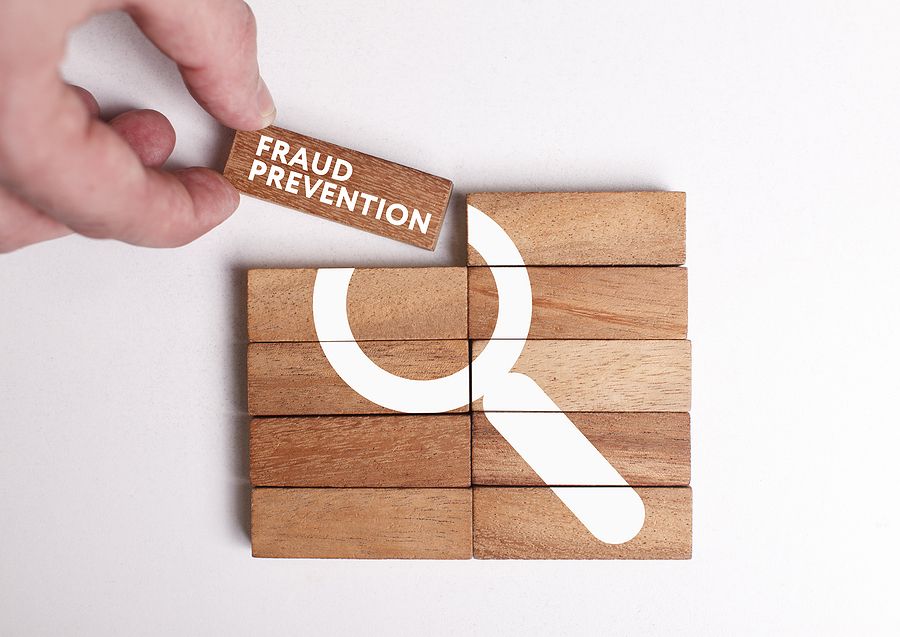
Combating fraud, waste, and abuse in home health care is more than an admin requirement; it is essential to patient safety and responsible financial stewardship.

In home health and hospice, you cannot simply press "pause" on operations while searching for a permanent executive or clinical director. Enter interim management.

A strong corporate culture is built intentionally through purposeful leadership, consistent behavior, and systems that align daily operations with core values.

Converting a potential referral partner into a consistent source of business requires a structured, multi-touch relationship strategy not just a conversation

Building and maintaining a strong, positive corporate culture is no longer a soft perk reserved for tech giants with ping-pong tables—it is a core business strategy.

Winning the caregiver shortage isn't about running more ads; it's treating recruitment as a high-speed customer service experience and retention as a culture investment.

Regulatory compliance shouldn't function as a reactive response to survey threat; it must be embedded in day-to-day operations. Proactive agencies prove successful.

By lowering turnover costs and unlocking capacity to accept referrals, home care agencies turn staff retention into their strongest revenue driver. It's a win-win.

Don’t leave money on the table. If you don't have OASIS-E1 and ICD-10 certified staff working in your agency, you are probably one of the agencies losing money.