Seven Steps to Building Your Company Culture

June 9, 2023

By Stephen Tweed


As the home care caregiver shortage continues, we recognize that there is no short-term fix. If you want to be successful in home care over a long period of time, you will need to develop a long term strategic initiative to attract and retain the caregivers you need. That means working diligently to create a great place to work.

Crafting Your Company Culture:

Creating a great place to work for caregivers means crafting a company culture that is in alignment with the needs and wants of your best caregivers. The most recent Best Caregiver Study from Leading Home Care and the Home Care CEO Forum showed that the most reliable workers in home care want:

  1. To do meaningful work
  2. To feel valued and respected by their clients, their supervisors, and company owners
  3. To have a flexible schedule
  4. To receive the proper education and training to do their work
  5. To feel fairly paid

We define company culture as … “The way we do things around here.”  Your culture is influenced by four factors; the leadership style of the CEO, the core values that guide your decisions and actions, the behavior you expect, and the behavior you permit.

Building a company culture that will enable you to systematically find and keep the caregivers you need is a long-term commitment.

Seven Steps To Crafting Your Company Culture:

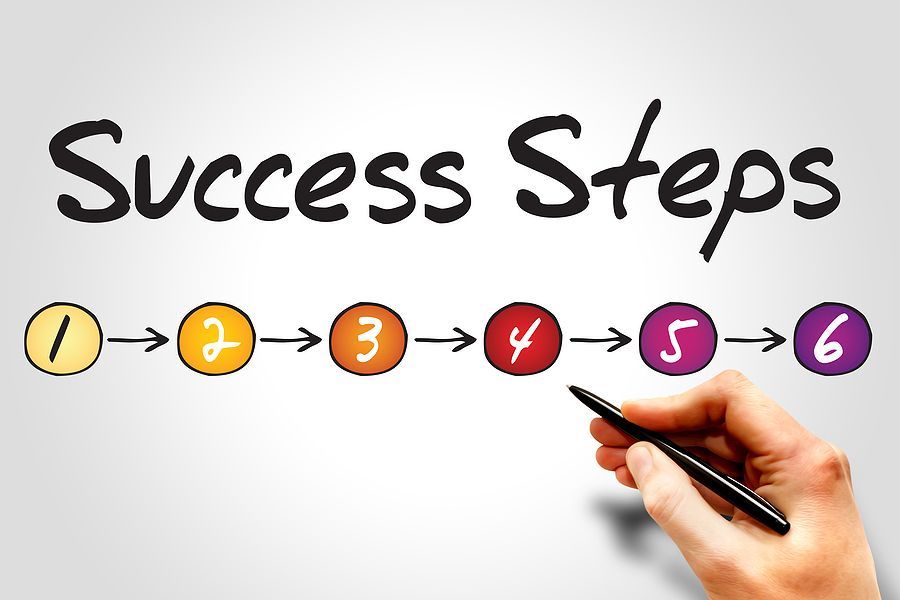
Crafting your culture is not easy, but there is a system that works. After studying dozens of companies that have crafted amazing cultures, and after interviewing CEOs of these companies, we have developed seven specific steps that are necessary to build a strong culture over the long haul: 

  1. Define your Core Values
  2. Define the behaviors you expect for each Core Value
  3. Communicate your values and expected behaviors
  4. Train your leaders to Live Your Values
  5. Engage your Caregivers
  6. Promote Your Culture
  7. Reinforce Your Culture

After leading this process for a number of home care companies, we’ve found that this seven step process takes at least a year to get through, and you are never done. The largest, privately owned home care company in the world has spent over 40 years working on their culture, and they are not done yet. The good news is, you can start today.

Where To Start:

The place to begin this process is defining your core values. When we lead this process of crafting your culture, we begin by brainstorming a list of values that members of the leadership team believe are important. Then we discuss each value, and define its meaning. We talk about what it means to live this value.

Then, we narrow the list of values down to three. Why three values? Because people can’t remember more than four. If you have seven core values, and people can’t remember that last four then why have them? Pick the three that are most important and that your team members resonate with. Begin there.

Top Tier Home Care Companies Are Working on Their Company Culture:

As you know by know, through the Home Care CEO Forum and our Home Care Mastermind Groups, we work with companies in the very top tier of our industry. One of the common characteristics of our Top 5% Mastermind Group and our Top 7% Mastermind Group is that they are all working on crafting their company culture. They are working through the steps in this process in varying degrees. The fastest growing companies in these groups have built on their company culture to develop systems to recruit and retain caregivers. We’ve learned that you can only grow your home care company when you are able to attract and retain high quality caregivers, and crafting your company culture is part of that process.


This article is being re-published with permission of the writer, Steven Tweed:

Stephen Tweed, CSP, is an internationally known health care and business strategist, award winning professional speaker, and published author. He is the CEO of Leading Home Care… a Tweed Jeffries company and the Founder of The Home Care CEO Forum® and Caregiver Quality Assurance®.


If you need assistance in your recruitment and retention efforts as well as looking at company culture, call Kenyon Homecare Consulting at 206-721-5091 or contact us online to see how we can help.


Results Based Consulting

Did you find value in this blog post? Imagine what we can do for your home care or hospice agency. Fill out the form below to see how we're leading the industry with innovation, affordability, and experience.

Contact Us

policy
By Ginny Kenyon July 10, 2026
Policy and procedure manuals are the blueprint for your agency’s success. It protects your business, ensures clients receive safe care, and gives staff structure.
employeeretention
By Ginny Kenyon July 8, 2026
Sending  under-prepared caregivers into complex home environments is a recipe for high turnover and compromised patient care. It is time for change that matters.
competitive
strategy
By Ginny Kenyon July 4, 2026
In an increasingly competitive healthcare and senior care landscape, providers are constantly searching for ways to differentiate themselves. Families looking for care, and the hospital discharge planners who guide them, are no longer satisfied with generic promises of "quality service" and "compassionate staff." They want proof of specialized capability. One of the most effective yet often overlooked ways to grow in this sector is to provide caregiving staff with thorough training in chronic disease care. In addition to improving patient outcomes and reducing hospital readmissions, this training also serves as a powerful marketing advantage and sales driver. Here is how turning your caregiving team into specialized chronic disease experts transforms your market positioning and accelerates revenue growth. 1. Transforming Specialized Care into a Unique Selling Proposition (USP) Most care agencies and senior living communities market themselves using the same language: "assistance with daily living," "meal preparation," and "medication reminders." When everyone says the same thing, care becomes a commodity, and pricing becomes the only differentiator. By equipping caregivers with advanced training in prevalent chronic conditions—such as Alzheimer’s/dementia, Parkinson’s, Congestive Heart Failure (CHF), Chronic Obstructive Pulmonary Disease (COPD), and Diabetes—you shift your brand positioning from a general utility to a specialized medical solution . The Marketing Edge: Your marketing materials transition from passive descriptions of tasks to authoritative statements of capability . Instead of advertising "we help with seniors," you can market "specialized, evidence-based care protocols for advanced Parkinson's management." 2. Building High-Value B2B Referral Pipelines The lifeblood of senior care sales is the professional referral pipeline—hospital discharge planners, social workers, physicians, and elder law attorneys. These professionals risk their own reputation when they recommend a care provider. Discharge planners, in particular, are intensely focused on preventing 30-day hospital readmissions , a metric heavily tied to hospital funding and penalties. The Sales Edge: When your sales team meets with a hospital transition manager, they aren't just dropping off brochures and lip balm. They are presenting a clinical solution. The Pitch: "Our staff, nurses, PT, and Home Care Aides undergo a rigorous 8-hour certification program specifically for CHF symptoms, care, and tracking. We actively monitor daily weights and fluid retention to catch exacerbations before they require an ER visit." This level of specificity builds immediate trust, establishing your organization as a preferred partner capable of handling high-acuity, complex cases that other agencies might turn away. 3. Creating Authentic Trust in B2C Digital Marketing When a family member realizes their loved one needs help, their first stop is almost always a search engine. They aren't looking for broad corporate statistics; they are looking for answers to specific, frightening problems (e.g., "How do I stop my dad with dementia from wandering at night?" ). In-depth staff education provides a goldmine of content for inbound marketing strategies: Expert Content Marketing: You can leverage your staff's training to create highly targeted blog posts, downloadable care guides, and educational webinars. Thought Leadership: By hosting free community seminars on managing chronic conditions, you position your brand as the local authority. When families are ready to transition from self-care to professional care, your organization is already their trusted advisor. 4. Shortening the Sales Cycle Through Consultative Selling The consumer sales process in senior care is deeply emotional and fraught with guilt, anxiety, and confusion. Families are often in crisis mode. A standard salesperson who only speaks about room dimensions or hourly rates will struggle to close the deal. When your sales representatives are backed by a highly trained clinical and aide staff, the sales discovery call morphs into a clinical consultation . Traditional Sales Approach: Focuses on features, schedules, and pricing "We can send a caregiver on Tuesdays and Thursdays for four hours to help your mother clean and cook." Consultative, Education-Backed Approach: Focuses on disease progression, symptom management, and quality of life. "Because your mother is dealing with advanced COPD, our caregivers are trained to recognize early signs of respiratory distress, manage energy conservation techniques during bathing, and ensure proper oxygen optimization." The latter approach instantly alleviates family anxiety. It proves that you see their loved one as a person with specific medical needs, not just a line item on a ledger, effectively neutralizing price sensitivity and shortening the time it takes to sign a contract. 5. Maximizing Lifetime Value (LTV) and Word-of-Mouth In senior care, the best marketing is a glowing testimonial from a relieved family. In-depth chronic disease education directly correlates with higher client satisfaction and longer length of stay (or care retention). Preventing Care Burnout: Caregivers who lack training get overwhelmed by the behavioral or physical symptoms of chronic diseases, leading to high staff turnover and disrupted care. Trained caregivers handle difficult symptoms with confidence and skill. The Ripple Effect: Stable, high-quality care leads to happy families. Happy families write powerful 5-star online reviews and passionately recommend your services to friends and neighbors, creating an organic, self-sustaining sales loop. Conclusion: Education as an Investment, Not an Expense In-depth chronic disease education for caregiving staff should never be viewed as a mere regulatory compliance box to check. It is a foundational business strategy. By investing in the clinical intellect of your frontline workforce, you feed your marketing engine with authentic, high-value content, arm your sales team with an undeniable competitive advantage, and build a brand reputation that commands premium pricing. In a crowded market, the most educated care team wins the deepest trust—and ultimately, the client. At Kenyon Homecare Consulting , we focus on high-quality home care, home health, and hospice services. In doing so, we provide in-depth chronic disease education on the conditions that affect our clients population the most. If you are interesting in development of a true competitive advantage, visit Kenyon's Chronic Disease University for your educational needs. Call us at 206-721-5091 or at gkenyon@kenyonhcc.com with any questions.
Accuratesurvivaltool
By Ginny Kenyon July 1, 2026
The "ripple effects" of the Patient Driven Grouping Model (PDGM) payment overhaul has fundamentally altered how agencies operate, staff, and survive in 2026.
Success
By Ginny Kenyon June 23, 2026
The "coder" role has evolved into a "Clinical Documentation Integrity" role. Certification in ICD-10 and OASIS bridges the gap between the bedside and the claim.
SWOTanalysis
By Ginny Kenyon June 23, 2026
For home health administrators, a SWOT Analysis is a critical survival tool that allows agencies to assess internal capabilities and analyze the external market.
Letterofintent
By Ginny Kenyon June 18, 2026
Below is a professional LOI template for joining an insurance network designed to emphasize operational readiness, clinical expertise, and geographic need.
insurance credentialing
By Ginny Kenyon June 16, 2026
Insurance credentialing can be complicated. Whether you are new the industry or independent provider, here are 6 steps to help you successfully through the process.
breaking the bank
By Ginny Kenyon June 12, 2026
For agencies in 2026, Medicare home health is a labyrinth of costly red tape. Regulatory complexity has become one of the single greatest barriers to efficiency.
silver tsunami
By Ginny Kenyon June 9, 2026
Silver Tsunami- by 2030, 1 in every 5 Americans will be of retirement age. With an unprecedented rise in chronic illness the demand for home health services is huge.